
Do you find the term Search Engine Optimization (SEO) alien to you and have no idea how to define SEO? Have you been wondering why everybody is talking about it and why it is in trend? In this blog, you will find answers to all your questions related to SEO. Here you will get to learn what SEO means, the basics of SEO, why it is significant, its types, its benefits and much more.
What is SEO?
SEO refers to the practices used to increase organic traffic on a website by working on its structure and content.
SEO is about assisting search engines to crawl, index, and understand your content. It improves your site’s presence in Search.
In simple words, SEO helps a website to rank higher on Search Engine Results Pages (SERPs) by search engines, helping you to target your audience easily and making it easy for users to find you.

What are the types of Search Engine Optimization?
There are various types of SEO but the four main types are as follows-
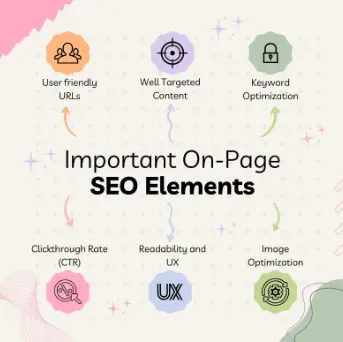
On-Page SEO
On-Page SEO refers to optimizing individual web pages. This includes using relevant keywords (the words and phrases people type into search engines to find information, products, or services i.e., queries related to your business or content), improving content quality, optimizing title tags, headlines, and Meta descriptions, adding internal and external links. It makes the content more understandable for both users and search engine crawlers.
Off-Page SEO
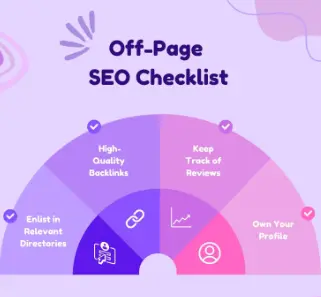
Off-Page SEO refers to strategies taken outside your website to improve search rankings. Common actions include building backlinks, increasing engagement and shares on social media, getting brand mentions and influencer collaborations.
Technical SEO
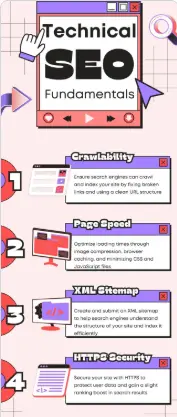
Technical Search Engine Optimization refers to the process of optimizing the technical aspects of your website. It helps search engines to crawl and index the website more effectively. This includes working on its page speed, security, mobile friendliness, and a positive user experience.
Local SEO
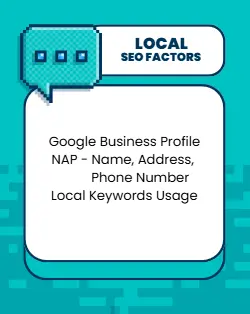
Local SEO refers to practices aiming to optimize a business’s online presence and visibility for searches performed by customers in nearby areas. In other words, it helps businesses to show up in local search results. This includes optimizing your Google Business Profile, reviews, and local queries.
What are the benefits of Search Engine Optimization?
The role of SEO is crucial to make your website more appealing to both search engines and users and cannot be underestimated. Its benefits are immense and are as follows:
- It increases a business’s or website’s visibility.
- It aids in improving rankings.
- It assists in increasing organic traffic.
- It helps in building brand credibility.
- It assists in generating leads, sales and revenue.
- It aids in improving user experience.
- It helps in gaining a competitive edge.
Who all can use Search Engine Optimization?
Anyone with a website can use SEO including-
- Business Owners (Small, Medium, and Large)
- Bloggers
- Content Creators
- Marketers
- Large Enterprises
- Specific Industries (E-Commerce, Financial Services, Travel, Healthcare, etc.)
What are SEO Tools?
SEO Tools are those software applications that assist you in performing search engine optimization on your website. Also, tools for SEO can be free or paid.
Free SEO Tools-
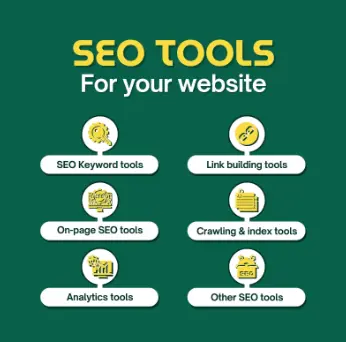
- Google Search Console
- Google Analytics
- Google Trends
- Google PageSpeed Insights,
- Google Keyword Planner
- Google Rich Results Test, etc.
Paid Search Engine Optimization Tools-
- Semrush
- Ahrefs
- Moz Pro
- Screaming Frog
- SpyFu
- Surfer SEO, etc.
How to create a Search Engine Optimization friendly website?
Looking at today’s competitive online environment, it is crucial and necessary to adjust your website for SEO. It has been found that most online experiences begin with a query on search engines like Google, Bing, Yahoo, etc. As a result, it is important to apply SEO strategies to your website, so that your web pages appear on the top results of a search engine. From increasing organic traffic to boosting your site’s credibility, SEO can do wonders for your website.
Here are 15 tips to make your website SEO friendly and to make it work well with Google and other search engines and these are as follows-
- Selection of Keyword and its use throughout the content
- Improving content quality
- Optimizing Header Tags
- Optimizing Meta Title and Meta Description
- Having a clean URL structure
- Using Internal and External Links
- Ensuring that your website is Mobile-Friendly is crucial for search engine optimization
- Optimizing Images
- Utilizing SEO Tools
- Working on Site’s speed
- Building backlinks
- Increasing engagement and shares on Social Media to promote your content
- Usage of Images and Videos to enhance your content
- Updating your content regularly
- Measure results i.e., You should track your progress by analyzing what’s working for you and what’s not and where you can improve.
Our link Partner- Ask Shashank Sir and Shark Mondo
Some common Search Engine Optimization FAQs (Frequently Asked Questions)

Is SEO unpaid or paid practice?
SEO is an unpaid practice which focuses on improving a website’s ranking in search engine results. But for achieving success in SEO you might need to hire professionals or use paid tools and services.
Does my website need SEO?
Yes, you need SEO for your website if you want to be found by people online. Most businesses need SEO to survive. SEO has become crucial nowadays, as it helps in improving organic traffic and generating leads and revenue.
How does SEO work?
SEO works by incorporating many strategies, keeping user’s intent in mind and by following search engines’ algorithms.
How long does it take SEO to work?
Time duration can vary. It usually takes somewhere between 3 to 6 months for Search Engine Optimization to start showing noticeable results. For significant growth it might take a year as long as you don’t stop your SEO efforts. Also, the results depend on a variety of factors like website age, competition, and the quality of the SEO strategy.
What are the most important SEO ranking factors?
Among the most relevant SEO ranking factors are as follows-
- Keyword Selection
- Quality of Content
- Experience, Expertise, Authoritativeness, Trustworthiness (EEAT)
- Backlinks
- Site structure and Design
- User Experience
For more interesting content and updates follow us on The Visionary Beast.
Thanks for stopping by! Feel free to share your perspective by dropping a comment below.